How to Source Plant Extracts from China: A Complete Buyer’s Guide

Sourcing Guide 8 min read

How to Source Plant Extracts from China: A Complete Buyer’s Guide

China supplies over 70% of the world’s botanical ingredients. If you’re formulating a supplement or cosmetic product, your supply chain almost certainly runs through China — whether you know it or not. This guide explains how to source plant extracts from China directly, what to look for in a supplier, and how to avoid the most common mistakes.

🌿
BotaNexus Team
Botanical Ingredient Sourcing Specialists · Guangzhou, China

1. Why China dominates the plant extract supply chain

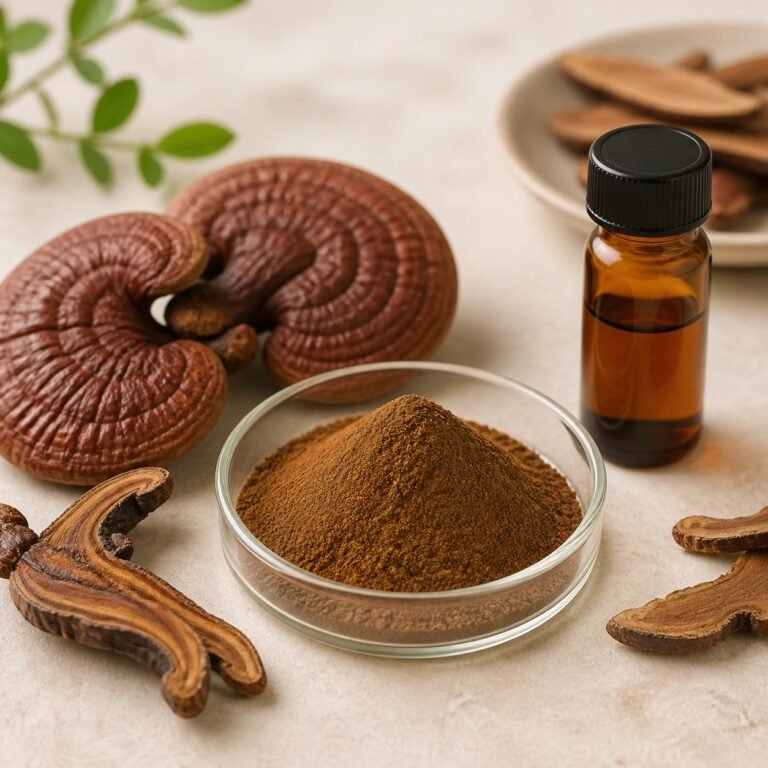
If you’ve ever looked at the ingredient label on a supplement or skincare product, there’s a strong chance that raw material came from China — even if the brand is based in the US or Europe. China is the world’s largest producer and exporter of botanical extracts, responsible for the majority of global supply in categories including adaptogenic herbs, functional mushroom extracts, and cosmetic botanical actives.

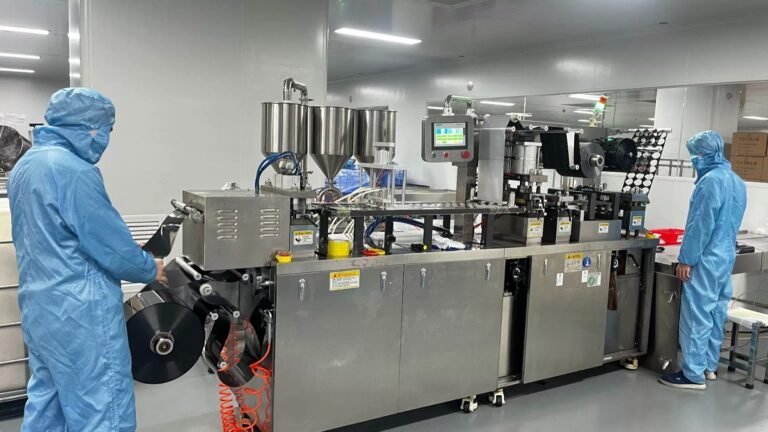
The reasons are structural. China has centuries of expertise in cultivating and processing medicinal herbs, particularly in provinces like Shaanxi (astragalus, ginkgo, hawthorn), Yunnan (schisandra, notoginseng), Guangdong (luo han guo, chrysanthemum), and Hunan (red yeast, eucommia). The infrastructure for large-scale botanical extraction — the equipment, the expertise, the supply chains from farm to factory — has been built up over decades.

For buyers, this concentration of supply creates both opportunity and risk. The opportunity: access to a huge range of ingredients at competitive prices, often from multiple certified facilities. The risk: quality varies enormously between suppliers, and without proper vetting, it’s easy to end up with an ingredient that doesn’t meet your label claims or your target market’s regulatory requirements.

Key insight: The question isn’t whether to source from China — for most botanical ingredients, there’s no realistic alternative. The question is how to source from China responsibly, with the right supplier, the right documentation, and the right quality controls.

2. Types of suppliers: factories vs. trading companies vs. sourcing agents

Before you start searching for a supplier, it helps to understand the different types of businesses you’ll encounter and what each one means for your purchasing experience.

🏭 Manufacturers / Factories

These companies produce the extract themselves. They own the extraction equipment, conduct their own quality testing, and hold factory-level certifications (GMP, ISO, etc.). Buying direct from a factory typically offers the lowest price per kilogram, but factories often have high minimum order quantities (25kg–100kg is common) and may not prioritize small or new customers. Communication can also be challenging if their export sales team has limited English proficiency.

🏢 Trading Companies

Trading companies buy from factories and resell to international buyers. They often carry stock of popular ingredients and can offer lower MOQs than factories. The downside: they add a margin to the factory price, and the quality of their documentation and compliance knowledge varies widely. Some trading companies are excellent; others provide poorly verified documentation or misrepresent the source of their ingredients.

🤝 Sourcing Agents / Sourcing Partners

Sourcing agents work on behalf of the buyer to identify, vet, and procure ingredients from multiple factories. A good sourcing partner provides access to the right supplier for each specific ingredient, handles compliance verification, manages documentation, and serves as a single point of contact. This model is particularly valuable for small and emerging brands that need multiple ingredients, don’t have the volume to command factory attention, and lack in-house China expertise. This is the model BotaNexus operates under.

For most indie supplement and cosmetic brands, a sourcing partner is the most practical entry point into the Chinese botanical extract supply chain. As your volume grows and your supplier relationships mature, you may choose to go direct with specific factories — but the sourcing partner model lets you get started without committing to factory-level MOQs or navigating the complexity of managing multiple factory relationships yourself.

3. Where to find Chinese plant extract suppliers

There are several channels through which international buyers connect with Chinese botanical extract suppliers. Each has its own advantages and limitations.

B2B platforms

Alibaba and Made-in-China are the most widely used platforms for finding Chinese suppliers. They offer broad coverage and an easy first contact point. The limitation: listing quality on these platforms is inconsistent, certification claims are not verified, and it’s common to find suppliers who present themselves as manufacturers but are actually trading companies. Price transparency is also limited — posted prices are often negotiable and may not reflect actual MOQ pricing.

Trade shows

CPhI Worldwide (pharmaceutical ingredients), Vitafoods Europe (nutraceuticals), and SupplySide West (supplement ingredients) all attract significant Chinese botanical extract exhibitors. Meeting suppliers face-to-face provides a much better basis for trust and relationship-building than online contact alone. The downside is the time and cost investment of attending.

Google search

Searching for “[ingredient name] supplier China” or “[ingredient name] manufacturer bulk” is an underrated research method. Chinese manufacturers and sourcing companies that have invested in English-language websites and SEO are often more internationally oriented and better equipped to serve export customers than those who rely solely on B2B platforms.

Referrals and industry networks

Word of mouth from other formulators, brand founders, or industry contacts is one of the most reliable ways to find good suppliers. If someone in your network has been successfully sourcing a specific ingredient for years, their supplier recommendation carries much more weight than an unverified Alibaba listing.

4. How to vet a supplier: the 5-point checklist

Once you’ve identified a potential supplier, the vetting process is critical. Here are the five most important things to verify before placing an order.

1

GMP certification

For supplement ingredients destined for the US market, the factory should hold a cGMP certificate compliant with FDA 21 CFR Part 111. Request a copy of the certificate and verify it’s current (not expired). For EU markets, look for ISO 22000 or equivalent.

2

COA with active compound verification

The Certificate of Analysis should show the test results for the specific active compound at the claimed percentage. For example, an ashwagandha extract claiming 5% withanolides should have test results confirming that percentage. If the COA only shows appearance and organoleptic properties without active compound data, that’s a red flag.

3

Heavy metal test results

Request heavy metal test results for lead, arsenic, mercury, and cadmium. For the US market, check lead levels against California Prop 65 safe harbor limits (0.5μg per daily serving for lead). Ideally, these results should come from a third-party laboratory, not just the factory’s internal testing.

4

Responsiveness and communication quality

How a supplier responds to your initial inquiry tells you a lot about how they’ll behave when you have a problem with an order. A good supplier responds promptly, provides clear answers to technical questions, and doesn’t pressure you to commit before you’ve seen documentation. Vague answers about certifications or reluctance to share test reports are warning signs.

5

Sample quality vs. bulk consistency

Always test a sample before committing to a bulk order. A reputable supplier will provide a sample that is representative of their standard production quality. Be wary of “sample grade” products that arrive with noticeably better specifications than what will be delivered in bulk — this is a known issue in the industry.

5. Documentation you must request before ordering

Professional buyers request a standard set of documents before placing any order. Here’s what you should always ask for:

📄 Certificate of Analysis (COA)

Batch-specific test results. Must include active compound percentage and identity verification.

⚗️ MSDS / Safety Data Sheet

Required for shipping, customs clearance, and workplace safety files.

📋 Product Specification Sheet

Full technical specs: botanical name, part used, extraction method, solubility, storage conditions.

🏭 GMP Certificate

Confirms the factory operates to Good Manufacturing Practice standards. Check expiry date.

🧪 Heavy Metal Test Report

Lead, arsenic, mercury, cadmium results. Ideally from a third-party lab (SGS, Eurofins, Intertek).

🌱 Organic / Non-GMO Certificate

If your label requires organic or non-GMO claims, request the relevant certificates upfront.

6. Compliance considerations for US and EU markets

Compliance requirements differ significantly between markets. Here’s what you need to know for the two most important export destinations.

United States

Botanical extracts sold as dietary supplement ingredients in the US fall under FDA regulation and the Dietary Supplement Health and Education Act (DSHEA). The factory should hold FDA registration (free to register, required for facilities that manufacture, process, pack or hold food). Your finished product must comply with cGMP regulations (21 CFR Part 111).

For California specifically, Proposition 65 requires warning labels for products that expose consumers to chemicals above certain thresholds. Heavy metals are the most common compliance issue for botanical extracts — lead in particular. Always check lead levels in the COA against Prop 65 safe harbor limits before committing to an ingredient.

European Union

For cosmetic ingredients, the EU Cosmetics Regulation (EC 1223/2009) governs which ingredients are permitted, restricted, or prohibited. Check the EU CosIng database before sourcing any ingredient for EU cosmetic use. The INCI name should be provided by your supplier for every ingredient.

For food supplement ingredients, the regulatory landscape in the EU is more fragmented — requirements vary by member state. Some botanical ingredients require Novel Food authorization for use in the EU; others may be subject to specific country-level restrictions. When in doubt, consult a regulatory specialist for your specific target market before committing to an ingredient.

Important: This guide covers ingredient-level sourcing compliance. For finished product compliance — label claims, market authorization, product notification — always work with a qualified regulatory consultant in your target market.

7. The sampling process: what to expect

Before placing a bulk order for any botanical extract, you should always request and test a sample. Here’s what a professional sampling process looks like:

1

Request documentation first

Before asking for a sample to be shipped, request the COA, spec sheet, and relevant certificates. Review these documents to confirm the ingredient meets your specification. This saves time and money — there’s no point paying for a sample if the documented specification doesn’t match what you need.

2

Confirm sample size and cost

Standard sample sizes for botanical extracts are typically 20–100g. Some suppliers charge for samples (ingredient cost plus shipping), others offer free samples for legitimate business inquiries. Expect to pay $20–100 including DHL or FedEx shipping for most samples.

3

Test the sample in your formula

Test the sample in your actual formula — not just on its own. This helps you identify any organoleptic issues (taste, smell, color, solubility) before committing to a bulk order. If you have a contract manufacturer, send them the sample for testing as part of your development process.

4

Consider independent third-party testing

For high-stakes ingredients (expensive, high-dose actives, ingredients with strict Prop 65 requirements), consider sending the sample to an independent laboratory for verification. This adds cost ($150–400 depending on the tests) but provides an extra layer of assurance before you commit to a bulk purchase.

8. Five common mistakes and how to avoid them

❌ Mistake 1: Choosing on price alone

The cheapest supplier is rarely the best value. Low prices often indicate cut corners on raw material quality, testing, or extraction purity. A slightly cheaper ingredient that fails your own third-party testing — or worse, fails a compliance check after your product is on market — costs far more than the price difference.

❌ Mistake 2: Accepting factory COAs without verification

Factory-issued COAs are self-reported. For critical ingredients, always cross-reference with independent third-party test results, or commission your own testing. This is especially important for ingredients where adulteration is common (e.g. turmeric with dyes, ginseng with fillers).

❌ Mistake 3: Not checking compliance before ordering

Discovering that an ingredient has a Novel Food issue in the EU, or that its heavy metal levels exceed Prop 65 limits, after you’ve already received a bulk shipment is an expensive mistake. Always check compliance requirements for your specific ingredient and target market before placing any order.

❌ Mistake 4: Skipping the sample stage to save time

The pressure to launch quickly tempts many brands to skip proper sampling. Ordering 25kg of an ingredient you’ve never tested in your formula is a high-risk move. The sample stage is not an optional extra — it’s an essential quality and compatibility check.

❌ Mistake 5: Managing too many supplier relationships at once

Small brands often try to source each ingredient directly from a different factory to get the best price on each. The result is a logistical and documentation nightmare: multiple suppliers, multiple conversations, multiple sets of paperwork, and multiple shipping arrangements. Working with a sourcing partner who can consolidate your ingredient sourcing is almost always more efficient for brands at the early stage.

Conclusion

Sourcing plant extracts from China is entirely manageable if you approach it systematically. The key principles are simple: verify your supplier’s certifications, review documentation before ordering, always sample before committing to bulk, and check compliance requirements for your target market upfront.

For small and emerging brands, working with a specialist sourcing partner is often the most practical starting point. It gives you access to vetted suppliers, professional documentation, and on-the-ground expertise without requiring you to navigate the complexity of direct factory sourcing before your business has the volume to justify it.

Need help sourcing a botanical ingredient?

Tell us what you’re looking for. We’ll identify the right supplier, verify the documentation, and send you a sample with full compliance guidance.

Request a Sample →

Similar Posts

Leave a Reply

Your email address will not be published. Required fields are marked *